

Can I use vaginal gel if I have a vaginal infection?
Jun 26, 2025
Leave a message
Vaginal infections are a common concern among women, affecting their daily comfort and overall well - being. As a vaginal gel supplier, I often receive inquiries from customers asking, "Can I use vaginal gel if I have a vaginal infection?" In this blog post, I'll delve into this question, providing scientific insights and guidance to help you make an informed decision.
Understanding Vaginal Infections
Before discussing the use of vaginal gels during an infection, it's essential to understand what vaginal infections are. There are several types of vaginal infections, including bacterial vaginosis (BV), yeast infections (candidiasis), and trichomoniasis.

Bacterial vaginosis is caused by an imbalance in the vaginal microbiota, where harmful bacteria outnumber the beneficial ones. Symptoms may include a fishy odor, thin gray or white discharge, and mild itching. Yeast infections, on the other hand, are caused by an overgrowth of the fungus Candida. Common symptoms are itching, burning, a thick white cottage - cheese - like discharge, and pain during intercourse or urination. Trichomoniasis is a sexually transmitted infection caused by a parasite, resulting in itching, burning, redness or soreness of the genitals, a change in vaginal discharge, and pain during urination or sex.
The Role of Vaginal Gels
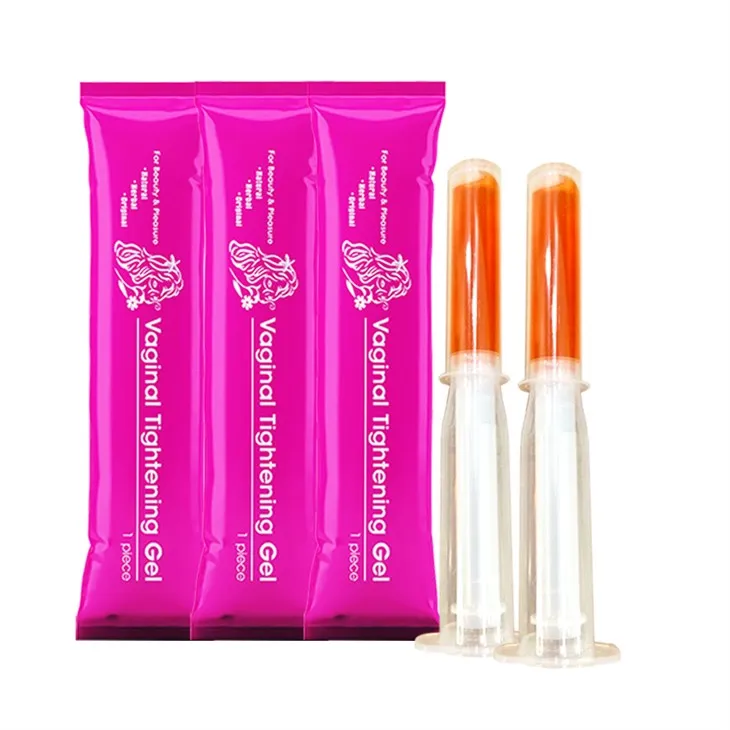
Vaginal gels can serve different purposes. Some are designed to maintain vaginal health, while others aim to address specific issues. For example, Feminine Tightening Gel is often used to improve vaginal muscle tone, and Antibacterial Vaginal Gel is formulated to combat harmful bacteria. Intimate Vaginal Gel may be used for lubrication and to maintain the natural pH balance of the vagina.
Using Vaginal Gels During a Vaginal Infection
The answer to whether you can use a vaginal gel during a vaginal infection is not straightforward and depends on several factors.
1. Type of Gel
- Therapeutic Gels: Some vaginal gels are specifically formulated to treat infections. For instance, antibacterial gels may contain ingredients like metronidazole or clindamycin, which are effective against bacterial vaginosis. Antifungal gels, often containing miconazole or clotrimazole, are used to treat yeast infections. If you have a confirmed diagnosis of a particular infection, using a gel prescribed by a healthcare provider can be an appropriate treatment option.
- Non - therapeutic Gels: Gels that are not designed for infection treatment, such as those for tightening or general lubrication, may not be suitable during an infection. In fact, using them could potentially worsen the situation. For example, a tightening gel may disrupt the natural balance of the vagina, making it more difficult for the body to fight off the infection.
2. Severity of the Infection
- Mild Infections: In cases of mild infections, a gentle, pH - balanced intimate vaginal gel may be used to provide some relief from dryness and discomfort. However, it should not be considered a substitute for proper medical treatment.
- Severe Infections: For severe infections, it's crucial to seek medical advice before using any vaginal gel. Using the wrong gel can lead to increased inflammation, spreading of the infection, or other complications.
3. Individual Sensitivity
Some women may be more sensitive to the ingredients in vaginal gels. During an infection, the vaginal mucosa is already irritated, and using a gel that causes an allergic reaction or further irritation can be extremely uncomfortable. It's important to read the ingredient list carefully and, if possible, do a patch test on a small area of the skin before using the gel in the vagina.
Precautions When Using Vaginal Gels During an Infection
If you decide to use a vaginal gel during an infection, here are some precautions to take:
- Consult a Healthcare Provider: Always consult a doctor or a gynecologist before using any vaginal gel, especially if you suspect an infection. They can provide an accurate diagnosis and recommend the most appropriate treatment.
- Follow Instructions: Read and follow the instructions on the gel package carefully. This includes the correct dosage, frequency of use, and duration of treatment.
- Hygiene: Maintain good vaginal hygiene. Wash your hands before and after applying the gel to prevent introducing more bacteria into the vagina.
Benefits of Using Appropriate Vaginal Gels
When used correctly, vaginal gels can offer several benefits during an infection:
- Symptom Relief: Gels can help relieve itching, burning, and dryness, making you more comfortable while your body fights off the infection.
- Accelerated Healing: Therapeutic gels can target the root cause of the infection, helping to speed up the healing process.
- Restoring Balance: Some gels can help restore the natural pH balance of the vagina, which is essential for maintaining a healthy vaginal environment.
Our Product Range as a Supplier
As a vaginal gel supplier, we offer a wide range of high - quality products. Our Feminine Tightening Gel is formulated with natural ingredients to gently improve vaginal muscle tone without causing irritation. The Antibacterial Vaginal Gel contains powerful antibacterial agents that are effective against common vaginal infections. And our Intimate Vaginal Gel is pH - balanced to maintain the natural health of the vagina.
We are committed to providing safe and effective products. All our gels undergo rigorous quality control tests to ensure they meet the highest standards.
Contact for Procurement
If you are interested in our vaginal gel products, whether you are a distributor, retailer, or looking for bulk purchases, we invite you to contact us for procurement discussions. We offer competitive pricing, reliable supply, and excellent customer service. Our team is ready to answer any questions you may have and assist you in finding the right products for your needs.
References
- American College of Obstetricians and Gynecologists. (2023). Vaginal Infections.
- Centers for Disease Control and Prevention. (2023). Sexually Transmitted Diseases Treatment Guidelines.
- World Health Organization. (2023). Guidelines on the Management of Vaginal Infections.