

Are there herbal tablets for joint pain?
Dec 18, 2025
Leave a message
Joint pain is a common and often debilitating condition that affects millions of people worldwide. It can stem from various causes, including arthritis, injury, overuse, and age-related wear and tear. As individuals seek relief from this discomfort, many turn to herbal tablets as a natural alternative to traditional pharmaceutical medications. In this blog, I'll explore the world of herbal tablets for joint pain, drawing on my experience as a herbal tablet supplier.
The Prevalence of Joint Pain
Joint pain is a widespread issue that transcends age, gender, and lifestyle. According to the World Health Organization (WHO), musculoskeletal conditions, including joint pain, are the leading cause of disability globally. In the United States alone, an estimated 54.4 million adults have been diagnosed with some form of arthritis, a condition characterized by joint inflammation and pain. As the population ages, the prevalence of joint pain is expected to increase, highlighting the need for effective treatment options.
The Appeal of Herbal Tablets
Herbal tablets have gained popularity in recent years as a natural and holistic approach to joint pain relief. Unlike many pharmaceutical medications, which can have side effects and long - term health risks, herbal tablets are often perceived as safer and more gentle on the body. They are derived from natural plant sources and contain a variety of bioactive compounds that may have anti - inflammatory, analgesic, and antioxidant properties.
Key Herbs Used in Joint Pain Tablets
Turmeric
Turmeric is one of the most well - known herbs for joint pain. It contains a compound called curcumin, which has potent anti - inflammatory and antioxidant effects. Curcumin works by inhibiting the production of inflammatory cytokines and enzymes in the body, reducing pain and swelling in the joints. Numerous studies have shown that curcumin can be as effective as some non - steroidal anti - inflammatory drugs (NSAIDs) in relieving joint pain, without the associated side effects such as stomach ulcers and kidney damage.
Boswellia
Boswellia, also known as Indian frankincense, has been used in traditional Ayurvedic medicine for centuries to treat joint pain and inflammation. The active compounds in boswellia, called boswellic acids, have been shown to block the production of leukotrienes, which are inflammatory mediators in the body. By reducing leukotriene production, boswellia can help alleviate joint pain and improve mobility.
Ginger
Ginger is another herb with anti - inflammatory properties. It contains gingerol, a bioactive compound that has been shown to reduce pain and inflammation in the joints. Ginger can also help improve blood circulation, which is important for delivering oxygen and nutrients to the joints and promoting healing.
Our Herbal Tablets for Joint Pain
As a herbal tablet supplier, we offer a range of high - quality herbal tablets formulated specifically for joint pain relief. Our tablets are made from pure, natural herbs and are carefully processed to preserve their bioactive compounds. We use only the highest quality ingredients and follow strict manufacturing standards to ensure the safety and efficacy of our products.
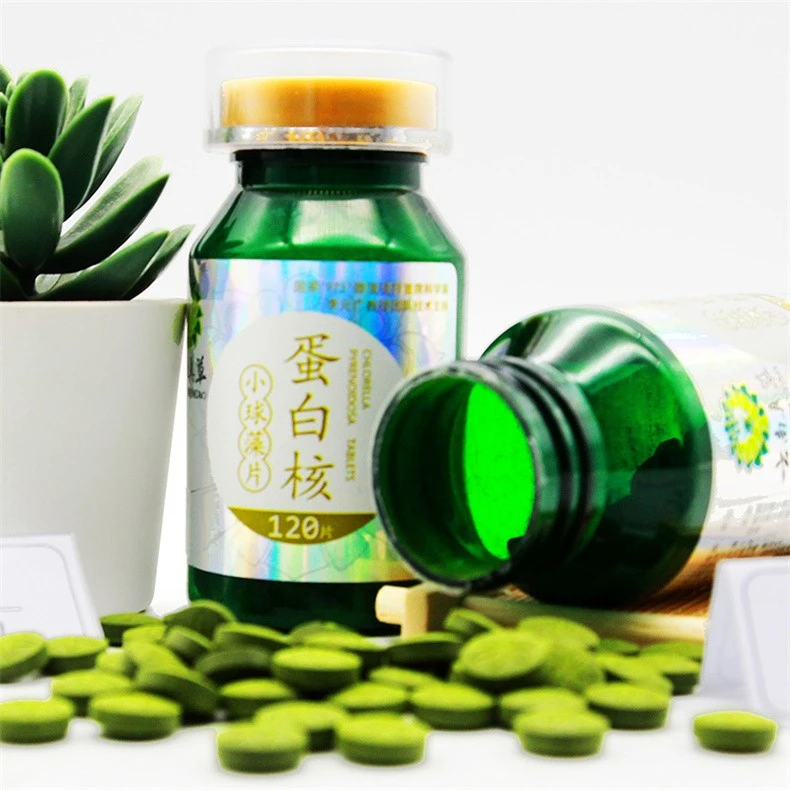
In addition to our joint pain tablets, we also offer other herbal supplements that may complement joint health. For example, our Protein Supplement can help support muscle strength and repair, which is important for joint stability. Our Multyvitamin Taurine Tablet provides essential vitamins and minerals that are necessary for overall health and may also contribute to joint health. And our Good Night Tablet can help improve sleep quality, which is crucial for the body's natural healing processes.
Scientific Evidence Supporting Herbal Tablets for Joint Pain
There is a growing body of scientific research supporting the use of herbal tablets for joint pain. A meta - analysis of several clinical trials found that curcumin supplementation significantly reduced pain and improved physical function in patients with osteoarthritis. Another study showed that boswellia extract was effective in reducing pain and swelling in patients with rheumatoid arthritis.
However, it's important to note that while herbal tablets can be effective for many people, they may not work for everyone. The effectiveness of herbal tablets can vary depending on the individual, the severity of the joint pain, and the underlying cause of the condition. It's also important to consult with a healthcare professional before starting any new supplement, especially if you are taking other medications or have underlying health conditions.
How to Choose the Right Herbal Tablet
When choosing a herbal tablet for joint pain, there are several factors to consider. First, look for a product that contains high - quality ingredients and is manufactured by a reputable company. Check the label for the active ingredients and their concentrations, and make sure the product has been tested for purity and potency.
Second, consider the specific herbs in the tablet and their known effects on joint pain. Some herbs may be more effective for certain types of joint pain or conditions than others. For example, turmeric may be more beneficial for osteoarthritis, while boswellia may be more effective for rheumatoid arthritis.

Finally, read reviews and testimonials from other users to get an idea of the product's effectiveness and any potential side effects. You can also consult with a healthcare professional or a naturopathic doctor for personalized advice.
Conclusion
In conclusion, herbal tablets can be a viable option for individuals seeking relief from joint pain. They offer a natural and potentially safer alternative to traditional pharmaceutical medications, with a growing body of scientific evidence supporting their effectiveness. As a herbal tablet supplier, we are committed to providing high - quality products that can help improve joint health and quality of life.
If you're interested in learning more about our herbal tablets for joint pain or other herbal supplements, we encourage you to reach out to us for a detailed discussion. We can provide you with more information about our products, answer any questions you may have, and discuss potential procurement options. Whether you're a retailer looking to stock our products or an individual interested in trying them for yourself, we're here to assist you.
References
- World Health Organization. (2021). Musculoskeletal conditions. https://www.who.int/news - room/fact - sheets/detail/musculoskeletal - conditions
- Aggarwal, B. B., et al. (2007). Role of curcumin, a COX - 2 inhibitor, in colon cancer prevention and treatment. Molecular Cancer Therapeutics, 6(3), 1046 - 1054.
- Ammon, H. P. T., & Safayhi, H. (1991). Inhibition of leukotriene biosynthesis by boswellic acids. Journal of Pharmacy and Pharmacology, 43(10), 715 - 716.
- Ernst, E. (2006). The risk - benefit profile of commonly used herbal therapies: Ginkgo, St. John's wort, ginseng, echinacea, saw palmetto, and kava. Annals of Internal Medicine, 145(11), 804 - 813.