


What Should Men Use to Wash Their Private Area?
Oct 10, 2025
Leave a message
What Should Men Use to Wash Their Private Area?
For generations, the topic of intimate hygiene for men has been shrouded in silence or oversimplified. The common advice has often been to use water alone or, mistakenly, regular soap or shower gel. However, growing awareness of male health and wellness has highlighted that the genital area requires specific, thoughtful care. The skin there is more sensitive, the environment is prone to moisture buildup, and the natural pH balance is delicate. Using the wrong products can disrupt this balance, leading to irritation, dryness, odor, and even infections. So, what is the ideal solution for male intimate cleansing?
The Pitfalls of Regular Soap and Water Alone
Many men rely on standard bar soap or body wash for their entire body. This is a primary mistake. These products are typically formulated with harsh surfactants and have a high alkaline pH (around 9-10). The skin's natural pH, including that of the intimate area, is slightly acidic, ranging from 4.5 to 6. This acidic mantle serves as a protective barrier against harmful bacteria and fungi. Using alkaline soap strips away this protection, disrupts the natural microbiome, and can cause significant dryness, itching, and irritation.
While water is gentle and non-irritating, it often lacks the ability to effectively break down oils, sweat, dead skin cells, and the buildup of smegma-a natural secretion that can accumulate under the foreskin. For active men or those living in humid climates, water alone may not be sufficient to eliminate odor and provide a thorough clean, leaving them feeling less than fresh.
The Ideal Characteristics of a Male Intimate Wash
An effective male intimate wash should be more than just a mild cleanser. It should be specifically engineered to address the unique needs of the genital skin. Key characteristics include:
- pH-Balanced: The product should have a pH level that is compatible with the skin's natural acidic mantle, typically between 5 and 6. This helps maintain the skin's defensive barrier.
- Gentle Surfactants: Harsh sulfates (SLS, SLES) should be avoided. Instead, mild cleansers like Amino Acid surfactants are ideal as they clean effectively without stripping the skin of its essential oils.
- Moisturizing and Soothing Ingredients: Components like Vitamin E and plant-based extracts can help soothe sensitive skin and prevent dryness and tightness after rinsing.
- Antibacterial and Anti-inflammatory Properties: Natural botanical ingredients with known soothing and purifying properties can help manage odor-causing bacteria and calm irritation.
Free from Irritants: The formula should be free from alcohol, parabens, and synthetic dyes, which are common irritants.
A Modern Solution: Prof. Ding Men Hygiene Wash
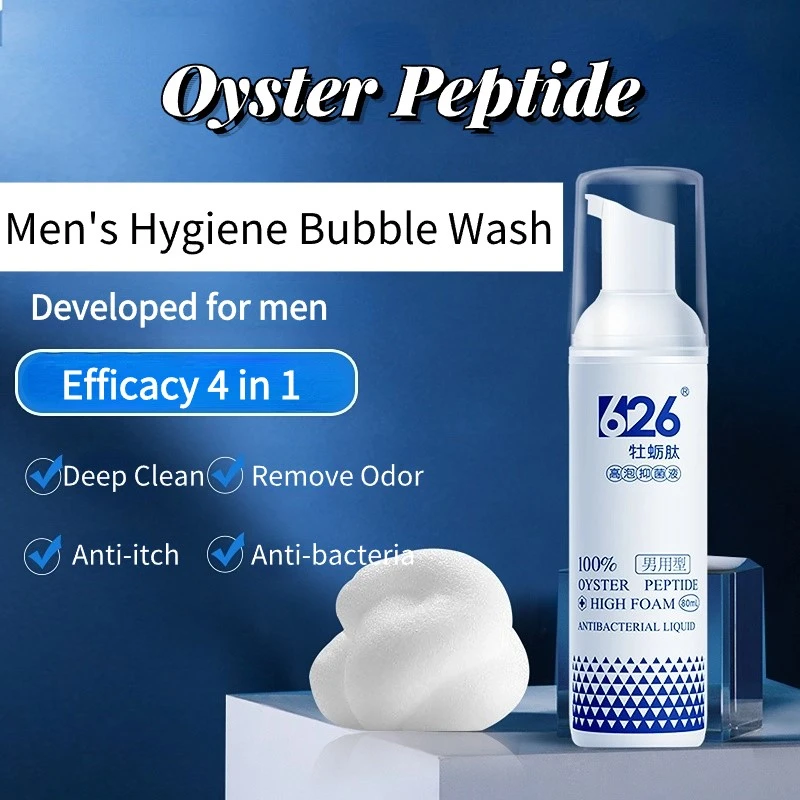
A product that exemplifies this modern, science-backed approach to male intimate care is Prof. Ding Men Hygiene Wash. Moving beyond basic cleansing, this product is a revolutionary blend of science and nature designed to elevate male grooming. Its thoughtful formulation makes it an excellent choice for daily maintenance, for men with active lifestyles, sensitive skin, or those seeking enhanced freshness.
Gentle Yet Powerful Cleansing
At its core, Prof. Ding Men Hygiene Wash utilizes amino acid-based surfactants. These are derived from natural sources and are known for their superior gentleness, creating a rich, soft lather that cleanses deeply without causing irritation or compromising the skin barrier. This makes it profoundly different from the harsh detergents found in regular soaps.
Bioactive and Herbal Formula
What sets this wash apart is its innovative fusion of bioactive compounds and traditional Eastern herbal wisdom. Each ingredient serves a specific purpose in promoting intimate health:
Oyster Peptide: A key bioactive ingredient, it is rich in zinc-a vital mineral for male reproductive health and skin vitality-providing nourishing support to the skin.
Traditional Tonic Herbs (Morinda officinalis, Cynomorium songaricum): These revered herbs in traditional practices are included for their purported restorative and strengthening properties.
Antibacterial Botanicals (Sophorae Flavescentis Radix, Portulaca oleracea, Herba Patriniae): This trio of natural extracts possesses known soothing and purifying properties. They work synergistically to target the bacteria that cause sweat and odor, helping to maintain a balanced and healthy skin environment.
Soothing and Comforting Agents (Rhizoma Corydalis, Angelica Sinensis): These herbs are traditionally used for their calming and moisturizing effects on the skin, helping to reduce feelings of discomfort and irritation.
Skin-Nourishing Components (Vitamin E, Rape Flower): Vitamin E is a powerful antioxidant that moisturizes and protects the skin, while Rape Flower extract helps to soothe and soften.
Borneol: This ingredient provides a final, refreshing sensation of coolness, leaving the user feeling impeccably clean and revitalized after every use.

The product is clinically tested, alcohol-free, and its 80ml/bottle size is convenient for daily use. As the brand states, "Prof. Ding Men Hygiene Wash, your daily essential! Gentle yet powerful, it deeply cleanses away dirt and odor, leaving you feeling fresh all day. Formulated with skin-friendly ingredients, it takes care of your intimate skin." It truly redefines male intimate care by harnessing Eastern herbal wisdom and cutting-edge technology to keep you confident, balanced, and fresh around the clock.
Conclusion
Male intimate hygiene is a crucial aspect of overall health and well-being that deserves specific attention. Abandoning harsh, generic soaps is the first step. The optimal choice is a dedicated, pH-balanced intimate wash that cleanses effectively while respecting the delicate skin of the area. Products like Prof. Ding Men Hygiene Wash represent the new standard in male grooming, offering a specialized, gentle, and effective formula that supports skin health, manages odor, and provides a lasting feeling of freshness and confidence.
References
- Kuehl, B. (2013). Skin Care and Cosmetic Ingredients Dictionary. Cengage Learning. (For information on pH balance and surfactant properties).
- Draelos, Z. D. (2018). The Science behind Skin Care: Cleansers. Journal of Cosmetic Dermatology.
- Pang, S., et al. (2020). "Antioxidant and Anti-inflammatory Properties of Natural Plant Extracts Used in Traditional Medicine." Journal of Ethnopharmacology.
- Product Information and Formulation Details: Prof. Ding Men Hygiene Wash.