


What Are the Main Causes of Joint Pain?
Jul 28, 2025
Leave a message
What Are the Main Causes of Joint Pain?
Joint pain, medically termed arthralgia, is an exceedingly common complaint affecting millions globally, significantly impacting mobility, daily activities, and overall quality of life. Its origins are diverse, ranging from acute injuries to chronic systemic diseases.
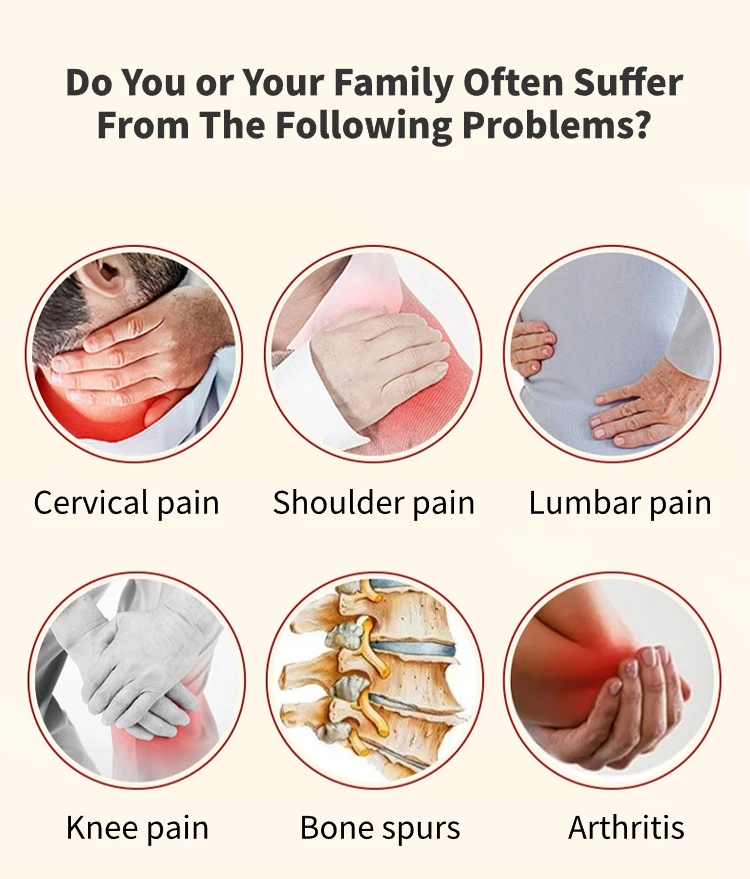
1. Osteoarthritis (OA): The Wear-and-Tear Culprit
The most prevalent cause of joint pain, particularly in older adults, is osteoarthritis. Often dubbed "wear-and-tear" arthritis, OA involves the gradual breakdown of the protective cartilage cushioning the ends of bones within the joint. As cartilage erodes, bones begin to rub against each other, leading to pain, stiffness (especially after inactivity or upon waking), swelling, and reduced range of motion. It commonly affects weight-bearing joints like knees, hips, and spine, as well as hands and fingers. Risk factors include aging, joint injury, obesity (increasing stress on joints), genetics, and repetitive joint stress.
2. Rheumatoid Arthritis (RA): The Autoimmune Assault
Unlike OA, rheumatoid arthritis is an autoimmune disorder where the body's immune system mistakenly attacks the synovium – the lining of the membranes surrounding the joints. This attack causes inflammation, leading to painful swelling, warmth, redness, and stiffness, often worse in the mornings and lasting for hours. RA typically affects joints symmetrically (e.g., both wrists or both knees). If uncontrolled, it can cause joint deformity and erosion of bone and cartilage.
3. Gout: The Crystal-Induced Agony
Gout results from the accumulation of uric acid crystals within the joint space. Uric acid, a normal waste product, can build up in the blood (hyperuricemia) if the body produces too much or excretes too little. These needle-like crystals deposit in joints, often the big toe, triggering sudden, intense attacks of excruciating pain, swelling, redness, and tenderness – frequently occurring overnight. Dietary factors (red meat, shellfish, alcohol, especially beer, sugary drinks), obesity, certain medications, and kidney problems can contribute to gout.
4. Injuries: Acute Trauma and Overuse
Direct trauma or injury is a frequent cause of acute joint pain. This includes:
- Sprains and Strains: Overstretching or tearing ligaments (sprains) or muscles/tendons (strains) around a joint.
- Dislocations: When bones are forced out of their normal position.
- Fractures: Breaks involving the bones of the joint.
- Tendonitis: Inflammation of tendons, often due to repetitive motion (e.g., tennis elbow, rotator cuff tendonitis).
- Bursitis: Inflammation of the fluid-filled sacs (bursae) that cushion bones, tendons, and muscles near joints, often caused by repetitive pressure or overuse.
5. Other Inflammatory Conditions
Psoriatic Arthritis: Associated with the skin condition psoriasis, causing joint pain, stiffness, and swelling, often affecting fingers and toes, and sometimes the spine.
Lupus (SLE): This systemic autoimmune disease can cause inflammation and pain in multiple joints, among many other symptoms.
Infectious Arthritis (Septic Arthritis): Caused by a bacterial, viral, or fungal infection invading the joint, leading to sudden severe pain, swelling, fever, and chills. This is a medical emergency requiring prompt antibiotic treatment.
6. Environmental and Lifestyle Factors: Wind, Cold, Dampness
Traditional Chinese Medicine (TCM) identifies environmental factors, conceptualized as "wind-cold-dampness," as significant contributors to joint discomfort, particularly types associated with stiffness, heaviness, and worsening in cold or humid weather. These external "pathogens" are thought to invade the body, obstructing the flow of Qi (vital energy) and Blood in the meridians (energy pathways) around joints. This obstruction leads to pain, stiffness, reduced mobility, and a sensation of cold or heaviness in the affected areas like the neck, shoulders, lower back, and knees. Modern interpretations link this concept to physiological responses triggered by cold temperatures, high humidity, and poor circulation, which can exacerbate underlying joint issues or cause temporary musculoskeletal discomfort.
Addressing Joint Pain: A Multi-Faceted Approach
Management depends heavily on the underlying cause. Treatment often involves:
- Medications: Pain relievers (acetaminophen, NSAIDs), corticosteroids, DMARDs (for RA), biologics, gout-specific drugs (colchicine, allopurinol).
- Physical Therapy: Crucial for strengthening muscles around joints, improving flexibility, and restoring function.
- Lifestyle Modifications: Weight loss (if overweight), low-impact exercise (swimming, cycling), joint protection techniques, dietary changes (especially for gout).
- Surgery: Joint repair, replacement (arthroplasty), or fusion in severe cases.
- Complementary Therapies: Acupuncture, massage, heat/cold therapy, and topical applications.
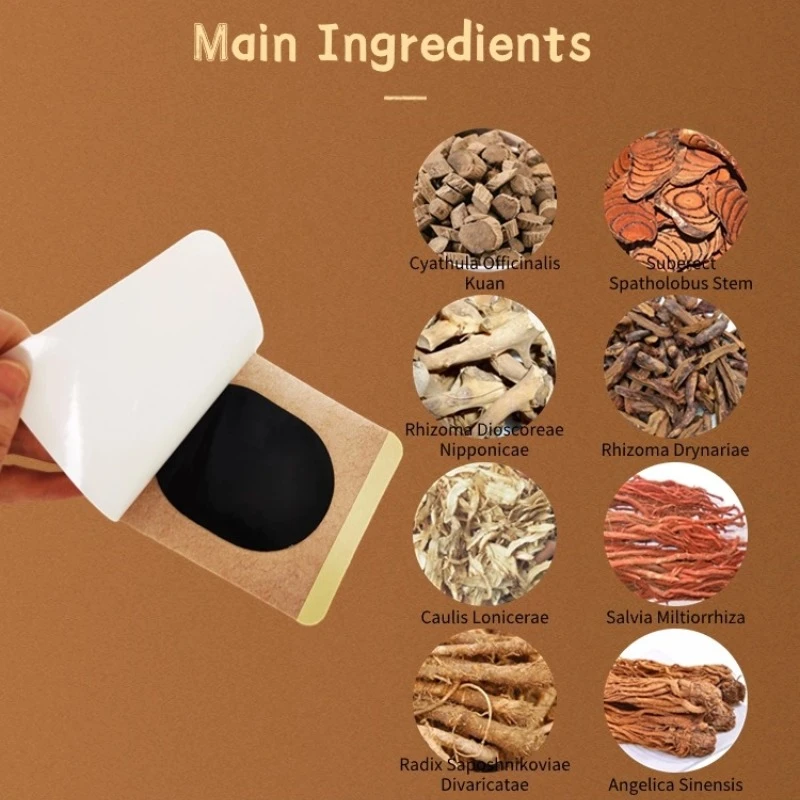
Targeted External Relief: Prof. Ding Herbal Pain Relief Patch
For individuals experiencing joint discomfort associated with environmental factors or TCM patterns like wind-cold-dampness, topical solutions can offer localized relief without systemic side effects. The Prof. Ding Herbal Pain Relief Patch is designed specifically for this purpose.
This patch works transdermally, delivering these active components directly to the site of discomfort in the neck, shoulders, lower back, and leg joints. It aims to alleviate temporary pain and stiffness by promoting local circulation, reducing inflammation associated with obstructed Qi and Blood, and counteracting the effects of environmental stressors like chill and dampness, providing soothing, targeted external care.
Conclusion
Joint pain is a complex symptom with numerous potential causes, from the mechanical degeneration of osteoarthritis and autoimmune attacks in rheumatoid arthritis to the crystalline inflammation of gout and the consequences of injury. Environmental factors, conceptualized in TCM as wind-cold-dampness, also play a significant role in triggering or exacerbating discomfort. Accurate diagnosis by a healthcare professional is essential to determine the root cause and implement the most effective treatment plan, which may include medications, therapy, lifestyle changes, and supportive measures like the targeted herbal action found in the Prof. Ding Herbal Pain Relief Patch for specific types of joint discomfort.
References:
Primary Author: This article was compiled by Health Insights Today editorial team based on current medical knowledge.
Reviewed by: Dr. A. Sharma, MD (Rheumatology) - Virtual Medical Review Board, Health Insights Today.
Maciocia, G. (2005). The Foundations of Chinese Medicine: A Comprehensive Text for Acupuncturists and Herbalists (2nd ed.). Churchill Livingstone. (For TCM concepts: Wind-Cold-Dampness).
Zhang, Y., et al. (2019). Anti-inflammatory and Analgesic Effects of Chinese Herbal Medicine: A Review of Clinical Evidence and Mechanisms. Journal of Ethnopharmacology, *243*, 112096. https://doi.org/10.1016/j.jep.2019.112096 (Relevant to herbal ingredients like Yan Hu Suo, Dan Shen).